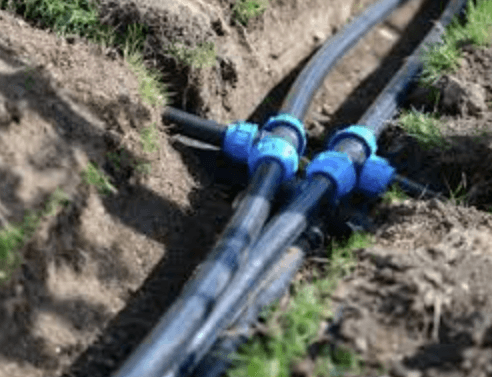
Identifying water line leaks begins with careful observation and documentation of symptoms. Measure and note locations, pressures, and damp spots. Safely shut off the main supply and prepare the work area to preventFurther damage. Use proper tools, clean joints, and perform leak tests after any adjustment. Decisions about replacing pipes or fittings should consider material durability and condition. Controlled shutoffs and methodical replacements lead to reliable results, then a final verification ensures the system is dry and operable, setting the stage for the next step.
Identify and Diagnose Water Line Leaks
Identifying water line leaks begins with a systematic assessment of the system’s components and surrounding conditions. The approach is practical and precise, documenting observations without speculation. Identifying symptoms guide confirmation, such as unusual moisture, damp spots, or sudden pressure changes. Common causes include joint failures, corroded pipes, and hidden leaks. Each finding informs targeted inspections, enabling efficient, rational diagnostics and reliable remediation planning.
Shut Off Water Safely and Prepare the Area
After confirming the presence of a leak, the next step is to shut off the water supply and prepare the work area.
This involves locating the main shutoff, turning it to off, and draining residual water into a bucket.
Ensure tools are ready, floor protected, and electrical hazards secured.
Maintain awareness to shut off water safely and prepare the area.
See also: What Is Cryptocurrency? A Complete Beginner’s Guide
DIY Fixes for Common Pipe and Connection Issues
Tools such as angle grinder and pipe bending equipment enable precise, safe adjustments, with leakage tests, clean joints, and repeatable steps ensuring dependable results.
When and How to Replace Pipes, Fittings, or Outdoor Lines
Replacing pipes, fittings, or outdoor lines should be approached methodically, with clear criteria for when replacement is warranted and a stepwise plan to minimize disruption to the system.
The discussion emphasizes leak detection, pipe routing, and careful maintenance.
Assess water pressure changes, inspect joints, select durable materials, and execute replacement with controlled shutoffs, testing, and deliberate commissioning for enduring reliability and freedom of use.
Conclusion
In the quiet hum of the workshop, the last tool clicks into place and the system settles. A careful pause follows each measured step—scan, shut, uncover, reseal. The room holds its breath as joints prove true and pressure tests approach their limit. Then, with a decisive nod, the line is restored, dry and steady. Yet the lingering question remains just beyond the gauge: was every vulnerability truly sealed, or does tomorrow demand another cautious inspection?
