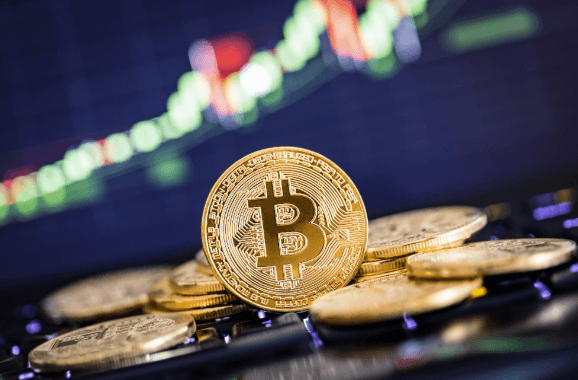
Cryptocurrency is a digital form of money secured by cryptography and run on decentralized networks. It enables peer-to-peer transfers without traditional intermediaries, using public ledgers and consensus mechanisms to verify transactions. The system emphasizes programmable money, borderless access, and user autonomy, while energy use and governance remain ongoing concerns. Practical use involves wallets and exchanges, with security and risk management as central considerations. For newcomers, understanding basics and starting with vetted platforms provides a cautious, data-driven entry point into a complex landscape.
What Is Cryptocurrency and Why It Matters
Cryptocurrency is a digital form of money that relies on cryptography and a decentralized network to enable peer-to-peer transactions without intermediaries.
It matters because it offers programmable money, borderless access, and potential financial autonomy.
The analysis emphasizes crypto regulation, noting policy gaps and risk controls.
Environmental impact concerns arise from energy use and mining demand, underscoring tradeoffs between innovation and sustainability.
How Blockchain Keeps It Secure and Transparent
Blockchain underpins security and transparency in cryptocurrencies by organizing transactions into immutable, distributed ledgers.
Each block extends a verifiable chain, with consensus mechanisms that prevent tampering and enable public verification.
Blockchain governance guides updates without centralized control, while cryptographic auditing provides independent, verifiable evidence of activity.
Together, these elements balance openness with disciplined governance, supporting user trust and systemic resilience for freedom-minded participants.
Wallets, Exchanges, and Everyday Use
Wallets, exchanges, and everyday use cover the practical tools and routines that make digital assets usable. The discussion emphasizes data-driven assessment of wallets (hardware versus software) and exchange reliability, liquidity, and fees. Security best practices and beginner friendly tips help readers weigh risk, protect access, and maintain control, while clarifying the tradeoffs between convenience, privacy, and security.
Getting Started: A Simple Path to Your First Crypto Move
Getting started with your first crypto move can be approached in three straightforward steps: choose a reputable platform, decide on a storage method, and complete a small initial transaction.
A data-driven, cautious approach follows. It highlights beginner mistakes to avoid and emphasizes risk management, clear limits, and prudent budgeting.
This path supports accessible, freedom-minded participation without overextension or unnecessary complexity.
Frequently Asked Questions
How Do Crypto Taxes Work for Individuals?
Crypto taxes for individuals involve reporting capital gains and income from trades, mining, and staking; careful record-keeping is essential. It highlights income tax implications and filing deadlines, with cautious, data-driven guidance for readers seeking financial freedom.
Are Cryptocurrencies Illegal or Regulated in My Country?
The legal status varies by country, with strict bans in some places and clear regulation elsewhere. Regulatory bodies assess compliance; taxation and tax implications differ widely. Overcoming objections, data shows openness to innovation amid cautious, freedom-seeking investors.
What Are Common Crypto Investing Risks for Beginners?
Common crypto investing risks for beginners include market volatility, liquidity gaps, and security threats; unrelated risk and speculative behavior can distort decisions. Data-driven, cautious assessment emphasizes diversification, risk budgeting, and transparent sources to support freedom-minded investors.
See also: The Rise of Immersive Digital Environments
Can I Mine Crypto at Home Without a Powerful Computer?
Can you mine crypto at home with modest gear? Home mining is possible only with low power rigs, though profitability is slim; efficiency depends on electricity costs, coin choice, and network difficulty, requiring cautious, data-driven planning for freedom-minded beginners.
Do I Need a Crypto Wallet to Own Tokens on Exchanges?
A crypto owner does not strictly need a personal wallet to hold tokens on exchanges, yet non ownership custody concerns warrant careful exchange wallet decisions; individuals seeking freedom should weigh security, control, liquidity, and risk before choosing storage.
Conclusion
Cryptocurrency presents a data-driven, cautious path to digital value, underpinned by transparent ledgers and decentralized verification. As adoption grows, practical use hinges on secure storage, reputable platforms, and prudent risk management. While the technology promises autonomy and borderless access, it remains energy-intensive and evolving, demanding ongoing diligence. For newcomers, starting small, verifying information, and prioritizing safety can yield steady, informed progress rather than dramatic leaps—without which the dream of widespread innovation risks collapsing like a mythical skyscraper in a single tweet.
